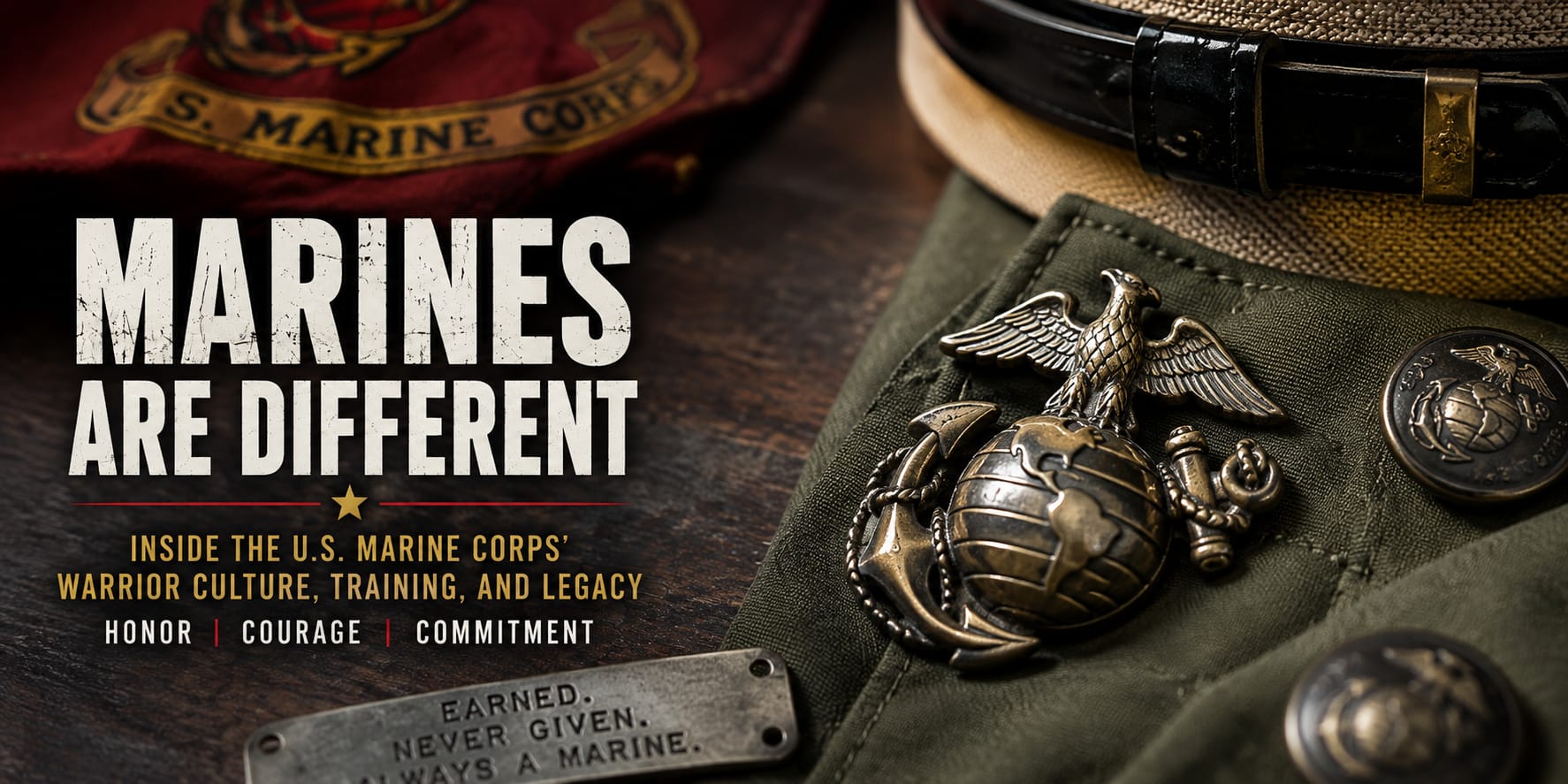
“Marines Are Different”: Inside the U.S. Marine Corps’ Warrior Culture, Training, and Legacy
Source: With significant access to Marine Corps training facilities around the country, The Marines examine the unique Warrior Culture of the smallest but fiercest branch of the U.S. armed services. The 90-minute documentary focuses on their training and considers what it takes to become a Marine and what it means to be a Marine. This WNED PBS production premiered in August 2006. Visit https://www.wned.org/television/wned-… to see more WNED PBS Original Productions.
“Marines Are Different”: Inside the U.S. Marine Corps’ Warrior Culture, Training, and Legacy
There’s a saying in military circles: “Marines are different.”
They’re not just different in tactics or training—they’re fundamentally different in culture, values, and the way they see themselves as warriors. This isn’t arrogance. It’s earned through 230 years of history, sacrifice, and an uncompromising commitment to a warrior ethos that shapes every Marine, from the moment they step on the yellow footprints at boot camp to the day they leave the Corps.
The Yellow Footprints: Where Civilian Life Ends
Every year, more than 30,000 recruits arrive at Marine Corps boot camp at Parris Island, South Carolina, and Paris Island, California. They arrive on buses at night, confused and uncertain. Then they’re invited to step off the bus and stand on yellow footprints painted on the ground.
Those yellow footprints are symbolic. A drill instructor explains: “They symbolize you leaving the life as you knew it and entering the United States Marine Corps.”
In that moment, everything changes. A recruit’s civilian identity is stripped away. Their hair is cut. Their individuality is erased. Everything they knew—their routines, their freedoms, their sense of self—is gone. What remains is potential.
A drill instructor explains the philosophy: “We take these individuals off the street, we’ve got to get their attention, we’ve got to build discipline into them, we’ve got to get them functioning as a team.”
More Than Boot Camp: Cultural Immersion
Marine bootcamp is not primarily about teaching combat skills. Rather, it’s about cultural immersion—indoctrinating young men and women into the values, traditions, and warrior ethos of the Marine Corps.
For 12 weeks, recruits learn:
- Discipline through exhausting physical training
- Teamwork through shared suffering and challenges
- History through connection to Marine Corps traditions dating back to 1775
- Core Values: Honor, Courage, and Commitment
- The Code: That you never leave a fellow Marine behind
As one Marine instructor put it: “Marine bootcamp teaches very little in the way of genuine combat skills. Marine bootcamp is about cultural immersion, indoctrination. And it does it extremely well.”
The most critical training at boot camp happens at the rifle range, where every Marine—cook, clerk, pilot, or rifleman—learns marksmanship. This isn’t just about hitting targets. It’s about transmission of values from one generation of Marines to the next.
Instructors emphasize: “They understand that they cannot allow those who have gone before to be let down. They know they can never let that legacy die.”
The Crucible: When Recruits Become Marines
During the 10th week of training, recruits face “The Crucible”—a grueling 54-hour training exercise that tests them mentally, physically, and spiritually. It comprises six major daytime events and two night events, all designed around one principle: No individual Marine can complete the Crucible alone.
The only way to succeed is as a team. Marines struggle together, push each other forward, and carry each other across the finish line during the final dawn march back to the barracks.
After The Crucible, recruits receive the Eagle, Globe, and Anchor—the Marine Corps emblem. This is the moment they transition from recruit to Marine. They’ve earned the right to wear the uniform and call themselves by a title that means something deep and profound.
Officer Candidate School: Evaluating Leaders
While enlisted Marines are made at boot camp, future officers are tested at Officer Candidate School (OCS) at Quantico, Virginia. OCS is not Officer Bootcamp—it’s a selection process designed to identify who has the potential to lead Marines in combat.
About one-third of officer candidates don’t make it. Some fail physically. Others receive unsatisfactory evaluations. And a third group—unique to OCS—voluntarily quit.
OCS has an open-door policy: at any time after week four, a candidate can quit and walk away. But if they do, they’re finished. There’s no second chance. Quitting becomes endemic—once you quit, you’ll quit again, and the Marine Corps can’t tolerate that.
Those who survive face the Leadership Reaction Course, where they’re placed in scenarios with “seemingly impossible obstacles” under stress and chaos. Instructors watch not whether they succeed, but how they lead their peers when everything falls apart.
Candidates must also survive the Quigley—a muddy trench where they crawl through neck-deep muddy water on their hands and knees, going under water with gear, unable to see. It’s designed to teach one critical skill: think under pressure, think when uncomfortable, and don’t panic.
As one instructor explains: “The gist of it, all of the training is to teach people to think under pressure, think when they’re uncomfortable and not panic.”
The Marine Corps Martial Arts Program: Warrior Mindset
In 1999, the Marine Corps introduced the Marine Corps Martial Arts Program (MCMAP) to all recruits and officers. But MCMAP isn’t traditional martial arts. It combines fighting techniques from around the world with a critical focus: behavioral training under extreme stress.
The program has three components:
- Physical discipline – fighting techniques and combat skills
- Mental discipline – studying warrior cultures (Spartans, Zulus, Apaches) to understand the warrior mindset
- Character discipline – teaching the difference between right and wrong, integrity, and ethics
An instructor emphasizes: “The primary emphasis is behavior, combative behavior. Can you function in a lethal environment? The stress is part and parcel of that.”
This is unique. The Marine Corps doesn’t separate close combat skills from character development. Integrity is part of warrior training. A Marine who can fight but lacks ethics is not a Marine at all.

Combat Training: Preparing for the Real Fight
Before Marines deploy to combat, they train at facilities like the Marine Corps Combat Center in the Mojave Desert and 29 Palms, where they experience live-fire combat conditions.
At 29 Palms, the Marines have constructed a replica Iraqi village complete with burned-out vehicles, concertina wire, and rubble. Role players—both friendly villagers and insurgents—populate the streets. The training is designed to mirror the reality of modern urban warfare, where the enemy is often indistinguishable from civilians.
One Marine explains the challenge: “It’s not a regular war that we’re fighting. You don’t know who the enemy is and you don’t want to stereotype people just because of who they are. So it does make it a lot more difficult.”
This is the paradox of modern Marine warfare: they must be warriors capable of killing, yet maintain discipline and humanity even in the chaos of combat.
The Cost of War: Wounded Warriors
Since 1775, more than 40,000 Marines have been killed in combat, and over 200,000 have been wounded. The documentary features wounded Marines sharing their stories—men and women who lost hands, suffered severe burns, lost limbs.
Yet many wounded Marines choose to stay in the Corps. One wounded sergeant, Eddie Wright, who lost both hands to a rocket-propelled grenade, returned to active duty as a martial arts instructor, teaching the very skills that might have saved him.
An officer speaks about these wounded warriors: “Sergeant Eddie Wright really typifies a Marine. He’s got that can-do spirit, he’s never given up and he’s still a martial arts instructor. He never once, since I’ve known him, complained about ‘poor me, look what happened.’ It was, I was out doing a mission, something happened, it’s time to drive on and continue with what I’m going to do.”
The Warrior Ethos: What Sets Marines Apart
The Marine Corps is the smallest of the four military services, by design. They’re meant to be the tip of the spear—deployed first, ready to fight immediately.
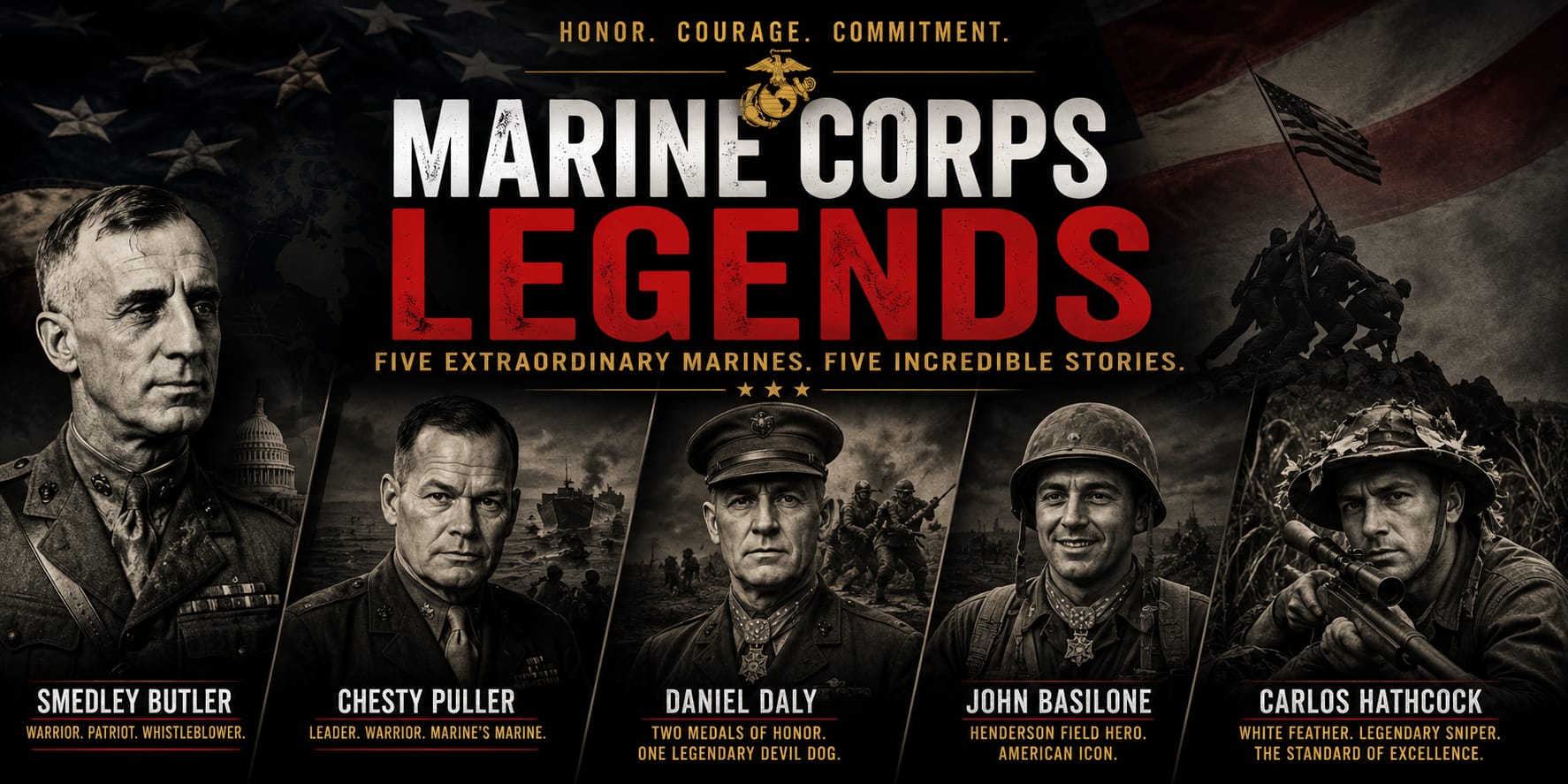
Their warrior ethos is summed up in core values: Honor. Courage. Commitment.
As one Marine explains: “We consider ourselves warriors that we have an obligation to be the most ready when the nation is the least ready and do the kinds of things that our country would ask of its elite warriors.”
This isn’t peacetime thinking. This is the mindset of an organization built for combat, built to fight, built to win.
Marines understand something profound: “Throughout history, at times killing is necessary. It’s not a matter of good or bad. There are situations in which this hard thing has to be done.”
Yet they also understand this carries a cost. Combat changes people. One veteran reflects: “That killing carries a cost to the person who carries it out. That combat changes people, the combat, I think, diminishes the soul permanently. It alters people.”
The Brotherhood: What Lasts Forever
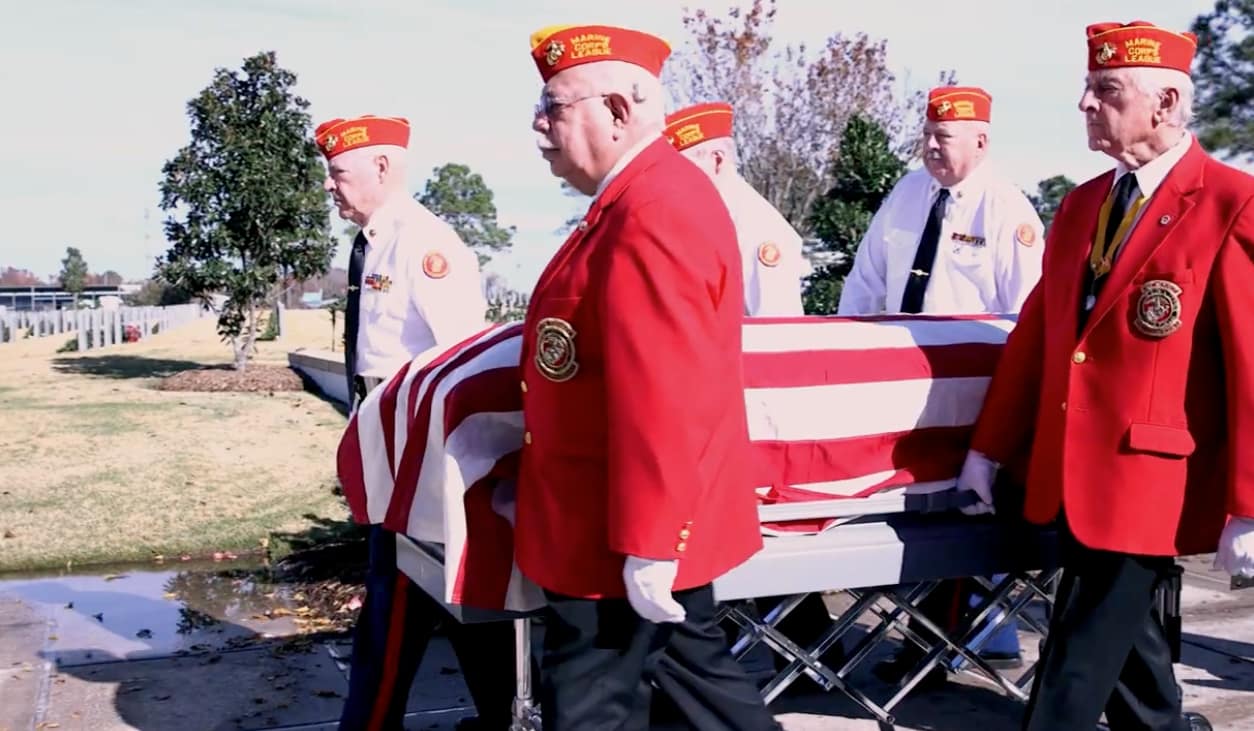
After all the training, all the pain, all the sacrifice, what remains is the bond. One Marine says it simply: “The brotherhood, the camaraderie, all of that is real.”
Marines believe in something larger than themselves. They fight for their squad, their platoon, their Corps. They live by the principle that no Marine is ever left behind.
A recruit at graduation reflects on what he’s learned: “One of the things imparted at Paris Island is an absolute trust in each other, that teamwork. That you’ve got to rely on each other and to know that no matter what happens, even if you pay the ultimate sacrifice and you die, that you’ll be never left behind.”
This is the essence of the Marine Corps. Not the weapons, not the tactics, not even the physical training. It’s the bond between Marines—the willingness to sacrifice everything for the person standing next to you.
Conclusion: “Marines Are Different”
The documentary reveals a truth that’s both simple and profound: Marines are different because they choose to be different.
They willingly give up their individuality to become part of something larger. They accept pain and hardship as part of the price of membership. They commit themselves to a code of conduct that demands honor even in the ugliest situations.
They carry the weight of 230 years of history—from the halls of Montezuma to the shores of Tripoli, from the bloody fields of Belleau Wood to the frozen mountains of the Chosin Reservoir, from the jungles of Vietnam to the urban battlefields of Iraq and Afghanistan.
And they do this because they believe that service to the nation is the highest calling a person can have.
That’s what makes Marines different.
Semper Fidelis—Always Faithful.